
Slow Drip
Brazil’s coffee sector is globally competitive, but the way credit reaches farmers has not kept pace. For many small and mid-sized producers, financing still means slow approvals, unclear terms, and risk assessments that miss what is really happening on the farm. In a crop shaped by seasonality and tight decision windows, timing often matters more than cost, and capital frequently arrives too late.
That gap has created a persistent mismatch. Farmers struggle to access working capital when it matters most. Lenders, lacking clear visibility, tend to price risk conservatively or limit exposure altogether. Capital that should be supporting one of Brazil’s most important export chains often ends up underutilised.
Culttivo was built to close that gap by designing credit around how coffee farms actually operate. The ag-fintech deploys credit digitally through its platform, supported by a network of independent bankers who work directly with producers. Field-level data, disciplined portfolio management, and crop-specific knowledge guide each credit decision.
Credit is originated through private and institutional investors and managed through structured vehicles such as FIAGROs and FIDCs, allowing Culttivo to connect farmer demand with local capital markets at scale. Today, the platform manages roughly US$60 million in assets across its credit structures and serves thousands of coffee producers.
By combining digital underwriting with a physical presence in the field, Culttivo avoids the trade-off between speed and understanding. Credit decisions move faster, risk becomes easier to assess, and capital flows with greater confidence to farmers who have long sat between informal lending and traditional banks.

Clear Cup
Most agricultural credit decisions still start with incomplete pictures. Financial statements arrive late. Farm visits are sporadic. Risk models rely on proxies that struggle to keep up with what is actually happening during the season. For coffee, where yields, quality, and cash flow are shaped by timing and management choices, that lack of clarity quickly becomes a constraint.
Culttivo’s first move was to clean up that picture. The platform brings together field-level signals such as satellite imagery, land use data, environmental compliance checks, and public records to form a more current view of each operation. The goal is not precision forecasting, but a clear view of whether a farm is planted, managed, and on track.
That visibility changes how credit decisions are made. Underwriting can move alongside the crop cycle rather than waiting for paperwork to catch up. Risk teams are no longer blind between disbursement and harvest, and early warning signs show up sooner. For lenders, that reduces surprises. For farmers, it means decisions that keep pace with the season.
By grounding credit analysis in what can be seen and verified in the field, Culttivo reduces uncertainty on both sides of the transaction. Data does not replace judgment, but it gives that judgment a clearer starting point. In a sector where opacity has long been accepted as normal, that clarity alone is a meaningful shift.

Strong Filter
Speed on its own does not make a credit model work. In agricultural finance, and especially in coffee, discipline carries just as much weight. Loan cycles are long, cash flow is uneven, and repayment often depends on how well the lender understands both the farmer and the season. Without that discipline, growth can create more problems than it solves.
Culttivo has been careful about how it builds and manages its portfolio. Credit decisions follow clear rules, and loans are tracked closely after they are issued. Monitoring is ongoing, not something that only happens when a payment is missed. Collections are part of the operating model from day one, not a function that gets added once the book starts to grow.
That approach matters most after disbursement. Farms remain visible throughout the cycle, which makes it easier to spot issues early and engage with producers before situations escalate. Some risks are unavoidable in agriculture, but they are easier to manage when they are identified sooner rather than later.
Over time, this discipline creates a portfolio that can expand without drifting into excess. Investors gain confidence in how capital is managed, and farmers know where they stand. In a sector where credit controls often arrive late, Culttivo applies them from the beginning.

Know Your Beans
Coffee behaves very differently from annual row crops, and that difference matters when credit is involved. Coffee farmers are not making one-season bets. They are investing in an asset that takes years to mature and decades to pay back. Establishing a coffee plantation is expensive, often involving irrigation systems, processing infrastructure, and long-term land commitments. A productive coffee tree can last 15 to 20 years, and walking away from it is rarely an option.
That long-term investment changes farmer behaviour. Coffee producers may delay payments after a difficult season, but outright default is uncommon. Failing to repay usually means losing not just a harvest, but the business itself, along with years of sunk capital. This creates a very different risk profile from crops like soy or corn, where production resets every year and switching crops or exiting is far easier.
Coffee also brings its own rhythm. The biennial production cycle, with a strong harvest followed by a leaner one, is a structural feature of the crop. When a low-production year coincides with weaker prices, repayment pressure can rise even for well-managed farms. Models that ignore this dynamic often misread short-term stress as long-term weakness.
Culttivo has built these realities into how it evaluates and structures credit. Repayment expectations reflect production cycles rather than fixed calendars. Risk assessments account for long-term commitment as well as short-term volatility. Delayed payments are analysed in context, not treated automatically as failure. That crop-specific lens allows the platform to separate temporary strain from genuine risk, and it is what makes the model hard to replicate.

The Long Roast
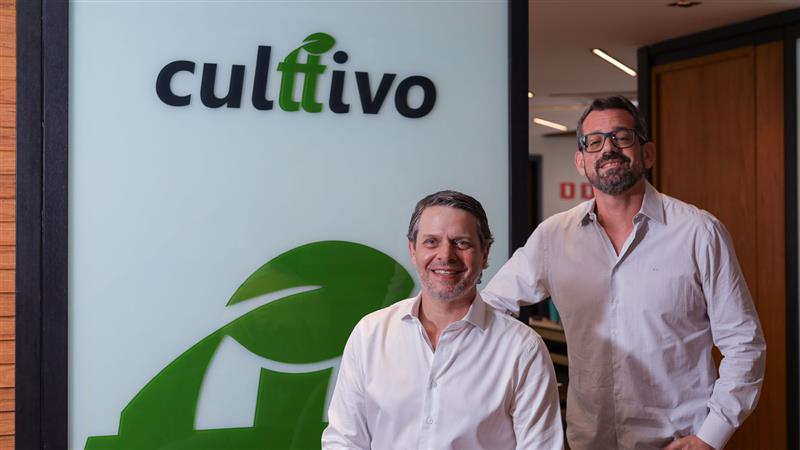
Culttivo reflects the complementary paths of its founders. CEO Gustavo Foz has spent over two decades inside agribusiness credit, working across origination, structuring, and risk. Years close to farmers and portfolios gave him a clear view of where traditional credit models tend to fail once seasons, prices, and real farm decisions come into play. COO Gabriel Santos brings a similarly long track record on the financial and operational side, translating those lessons into processes that hold up as the business scales.
That shared experience shows in how Culttivo approaches growth. Credit is treated as a long-cycle relationship, not a transactional product. The team expects volatility, understands delayed payments, and designs structures that reflect how perennial crops behave over time. Discipline is not imposed late in the process, but built in from the start, informed by years of seeing what works and what breaks in agricultural portfolios.
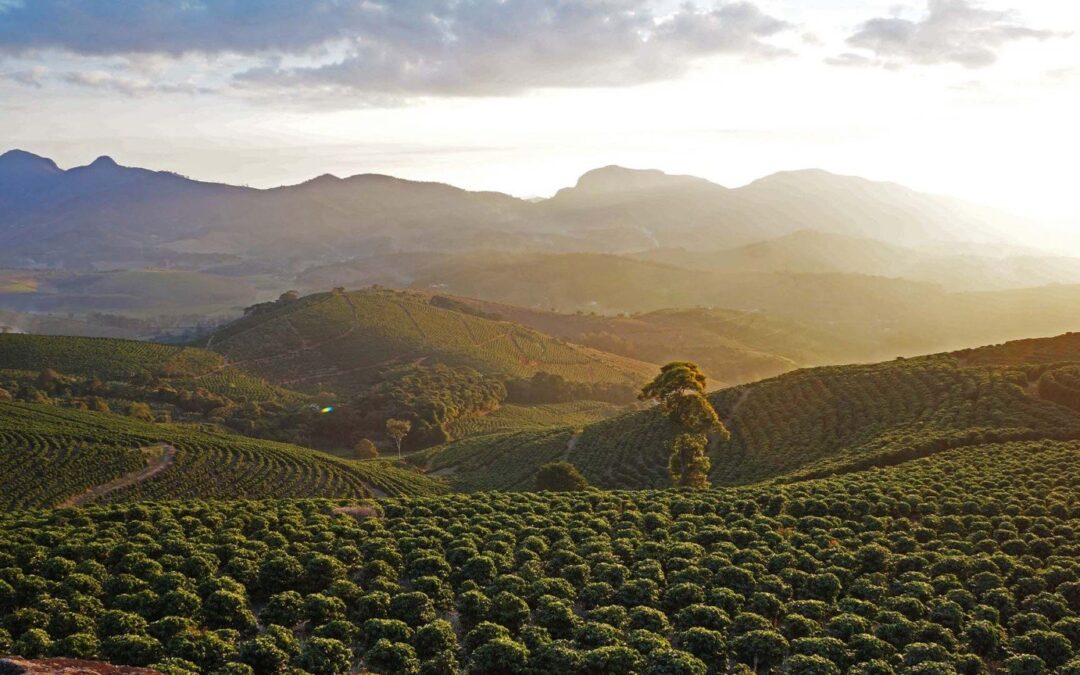
Coffee itself reinforces that mindset. It is a crop measured in decades, not seasons, and Brazil’s history with coffee has been shaped by patience, reinvestment, and long-term commitment. Culttivo’s model fits naturally into that context. By applying deep experience to a crop that rewards it, the company is building credit infrastructure with the same qualities that have sustained Brazil’s coffee sector for generations.
Agradecemos ao Kieran Finbar Gartlan (Managing Partner at The Yield Lab Latam) pela matéria esclarecedora, por mostrar como estamos trabalhando para ampliar o acesso ao crédito para o produtor de café.
Fonte: Do Grão ao Equilíbrio: Como a Culttivo está mudando o financiamento do café no Brasil